Wayne Rooney turned a private concern into a public conversation in 2011, when the England and Manchester United forward confirmed that he had undergone a hair transplant. Rooney's hair had become a familiar subject in football coverage because the player was only 25 and already showing visible thinning at the front of his scalp. Rather than allowing speculation to grow around him, Rooney addressed the issue himself on social media。joking that he had been going bald at a young age and had decided to do something about it. The announcement was brief, but its impact was immediate. Rooney's hair moved from a personal matter to a headline, a commercial talking point and, for many supporters, a sign that footballers were no longer expected to hide cosmetic procedures.The timing made the story particularly striking. Rooney was playing at the highest level。appearing regularly in front of packed stadiums and television cameras that offered close views from every angle. A receding hairline can be difficult to disguise under those conditions, especially for a player whose image was already under constant scrutiny. Images of Rooney's hair before and after the procedure circulated widely, with fans debating whether the change was dramatic or simply more noticeable because of his fame. The discussion often carried a teasing tone, but it also reflected a broader shift in attitudes toward male grooming. Hair loss had traditionally been treated as something men were expected to accept quietly. Rooney's decision challenged that assumption, even if he presented it with the humor and casual confidence associated with his public personality.For clinics and hair-restoration specialists, Rooney's hair became a powerful reference point. The case helped make follicular unit transplantation more familiar to a mainstream audience。
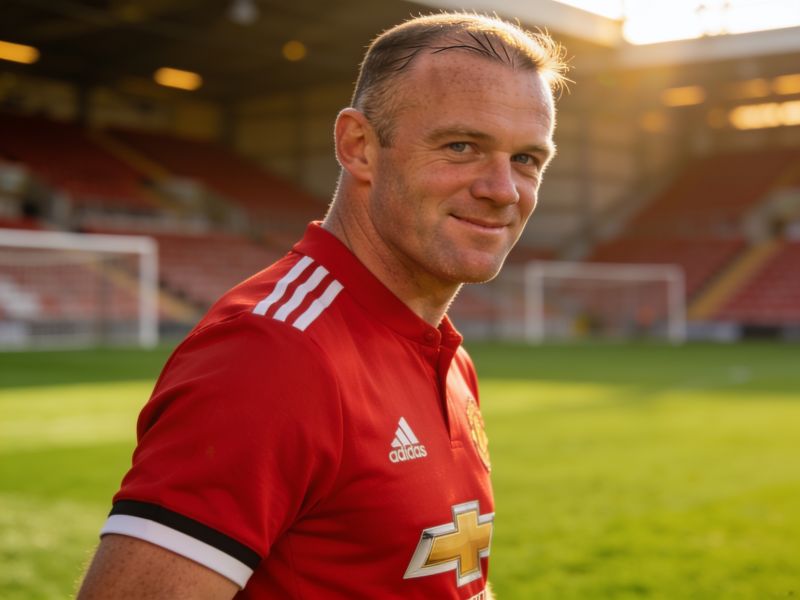
although the public often simplified a complex medical process into the phrase hair transplant. The result depends on donor density, hair texture, age, future loss and the design of the hairline, not only on the number of grafts placed during surgery. Rooney's hair also illustrated why a procedure cannot be judged immediately. Transplanted follicles usually require months to grow, and the final appearance depends on careful planning and long-term maintenance. In photographs, the improvement looked straightforward;in practice, the procedure involved recovery, patience and the possibility that natural hair loss would continue around the transplanted area.Rooney has spoken about the subject with an unusually relaxed attitude, which may explain why the story has lasted. He did not frame Rooney's hair as a medical crisis or claim that the treatment transformed his career. He treated it as a choice, much like changing a hairstyle or improving fitness. That distinction matters. Footballers are often presented as physically perfect, yet they face the same insecurities as anyone else, particularly when age, stress and genetics become visible. Rooney's hair gave supporters a glimpse behind the polished image of professional sport. Some fans mocked the result。
while others praised him for being open. The split reaction was predictable, but the honesty was less common in a culture where public figures frequently avoid discussing appearance-related procedures.More than a decade later, Rooney's hair remains a reference in conversations about celebrity transplants, largely because the story combined fame, vulnerability and timing. Search interest rises whenever photographs resurface or another player discusses hair loss, and Rooney's hair is still used by clinics and commentators as an example of how public disclosure can reduce stigma. The wider lesson is not that every man should seek surgery. It is that appearance decisions can belong to the individual, even when millions are watching. Rooney's hair became news because football made his face and body part of the spectacle, but the underlying choice was ordinary: a young man noticed a change。weighed his options and decided he wanted to alter it.