Callejon has entered the later chapter of a career that began at Real Madrid, reached its most influential stretch in Italy and continues to carry weight in Spain’s lower professional divisions. The winger’s move to Marbella marked more than a routine change of club. It placed a former Champions League performer in a demanding environment where experience is valuable, but reputation alone cannot win matches. Callejon, now in his late thirties, remains a player whose movement, discipline and instinct around the penalty area can shape games even when his pace is no longer the defining weapon it once was. For supporters watching him closely。the most striking detail is not a spectacular dribble. It is the way Callejon still reads space several seconds before the ball arrives.That quality emerged during his first spell at Real Madrid. Born in Motril, Andalusia, Callejon came through the club’s youth system and earned senior opportunities after developing at Espanyol. His return to Madrid in 2011 gave him a place in a squad crowded with attacking stars, yet he became a trusted option under José Mourinho. Callejon did not need to dominate possession to influence a match. He pressed aggressively, attacked the far post and made diagonal runs that pulled defenders away from Cristiano Ronaldo, Karim Benzema and Mesut Özil. During the 2011-12 campaign。he scored important goals in limited league minutes, helping Real Madrid secure the Spanish title with a record points total. The numbers mattered, but so did the impression he left: Callejon was the kind of substitute coaches used when a game needed energy, structure and a direct threat.
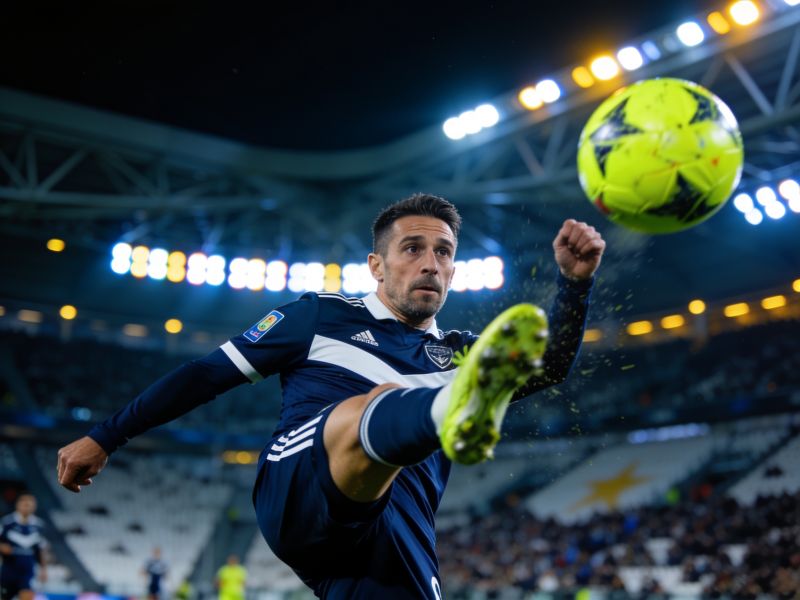
Napoli gave Callejon the platform to become a central figure rather than a supporting actor. Signed in 2013。he quickly adapted to Rafael Benítez’s tactical demands and became one of Serie A’s most reliable wide forwards. His partnership with Gonzalo Higuaín produced a steady stream of goals, while his understanding with Lorenzo Insigne and Dries Mertens helped Napoli attack at speed. Callejon’s signature move was simple to describe and difficult to stop. He would begin near the right touchline, drift behind the opposing full-back and arrive at the far post just as a cross was delivered. That timing produced more than 80 goals for Napoli across competitions and helped the club win the Coppa Italia and Supercoppa Italiana. In Naples, Callejon also developed a reputation for defensive commitment. He tracked runners, covered his full-back and pressed without theatrical gestures. Local fans responded to that honesty. They saw a player who worked for the shirt, even on nights when the finishing touch disappeared.His later years brought a different test. After leaving Napoli in 2020, Callejon spent time at Fiorentina before returning to Spain with Granada. The move was emotionally natural, sending him back toward the region where his football story began, but the sporting context was less forgiving. Granada were fighting for stability, and Callejon had to contribute in a team operating under pressure rather than expectation. He offered leadership in the dressing room, helped younger teammates prepare for difficult fixtures and remained useful in set-piece situations and attacking transitions. At Marbella, the challenge became more personal. Every appearance is measured against memories of the player who once scored in Europe’s biggest stadiums. Callejon has handled that comparison with a practical attitude, accepting reduced minutes when necessary and concentrating on details that are often missed by television cameras: a clever foul won near halfway, a warning shouted to a full-back。or a run that opens space for another player.There is a tendency to judge veteran attackers only by goals。and that approach understates Callejon’s value. His career has been built on repeatable decisions rather than highlight-reel moments. He knows when to sprint, when to hold the line and when to move inside to create a passing lane. Those habits are particularly useful for a club seeking promotion, where matches are frequently decided by concentration in the final ten minutes. Callejon’s presence also gives Marbella a direct link to elite football culture. Younger players can study how he prepares, communicates and responds when the body no longer allows the same volume of running. Whether he finishes his career in Marbella or chooses another season elsewhere, Callejon has already secured a distinctive place in Spanish football. He was never the loudest star on the team sheet, but he repeatedly made himself indispensable. That may be the clearest measure of his career: wherever Callejon played, coaches found a reason to put him on the pitch.