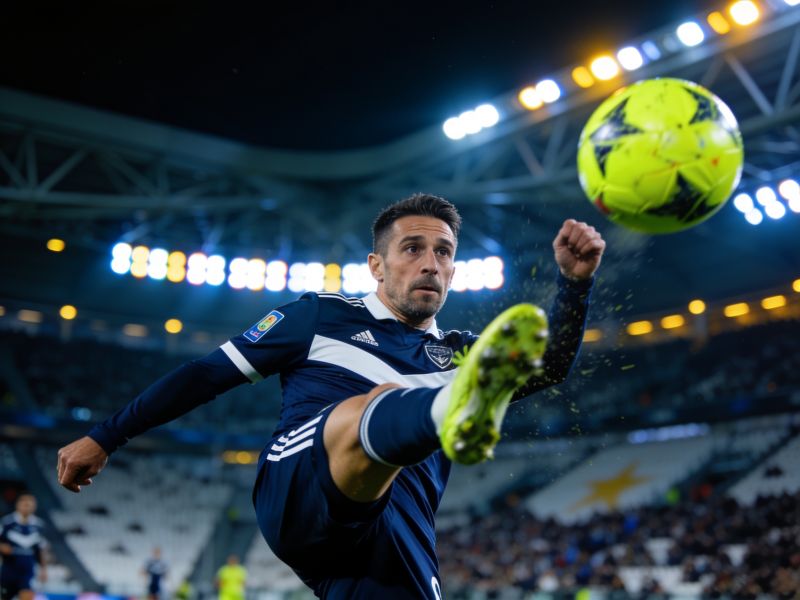
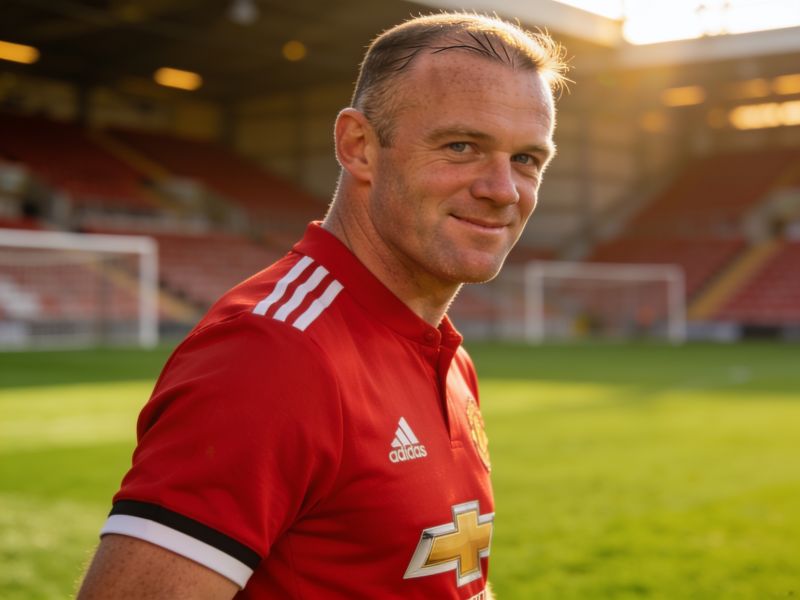
Jung In-hwan doesn't score many goals. He rarely makes the highlight reels. But watch a match involving the Korean national team or his club side, and you'll notice something: the game flows differently when he's on the pitch. His positioning is almost precognitive—a half-step ahead of the opposition's transition。a shield in front of the back four. In a 2-1 qualifier against Iraq last year, he completed 94% of his passes under pressure, a stat that barely registered in post-match chatter. That anonymity is precisely the point.
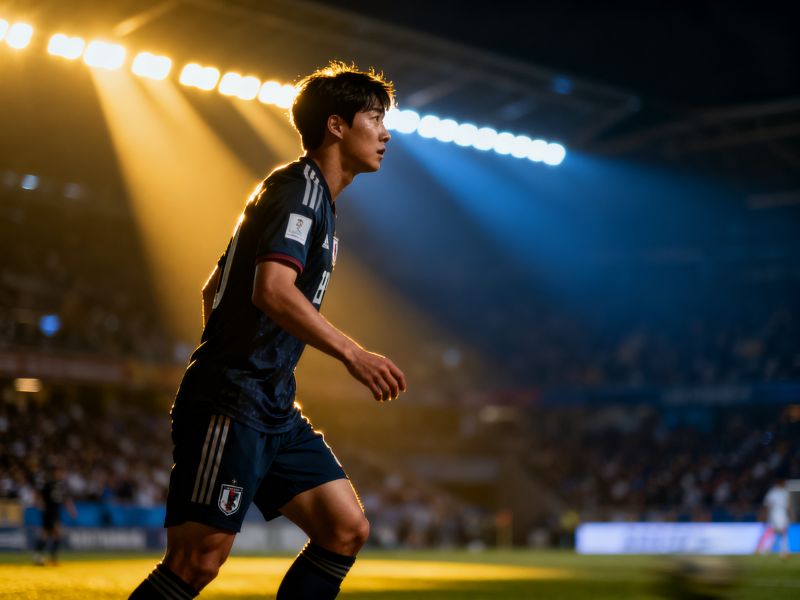
Born in 1992, Jung's career path was never linear. He didn't emerge from a glamorous academy or sign with a K League giant as a teenager. Instead。he ground through the lower tiers with Gyeongnam FC, where his reading of the game compensated for average pace. Coaches there recall a player who stayed late to study opposition midfield rotations on a whiteboard—not out of vanity, but because he genuinely enjoyed the puzzle. That habit stuck. By the time he joined Jeonbuk Hyundai Motors in 2020, he had become the kind of midfielder who makes everyone else look more organized.What sets Jung apart isn't athleticism or flair. It's a quiet, almost stubborn discipline. He occupies zones that don't appear on broadcast graphics—the pocket between the opponent's holding midfielder and center-back, the blind side of a winger drifting inside. His tackling is clean but rarely spectacular;he wins the ball by being there before the opponent realizes they've lost it. In a 2022 league match against Ulsan, he intercepted a pass so early that the opposing coach was caught on camera shouting at his player for not seeing the trap. Jung had read the pattern three passes prior.There's a mild irony in how Jung's contributions get discussed. Pundits call him a "metronome" or a "destroyer," but those labels miss the subtlety. He's neither. He's a disruptor of tempo—slowing the game when his side needs to breathe, accelerating with a single forward pass when the moment opens. His occasional long-range strikes。like the volley against Suwon in 2021, feel almost out of character, as if the quiet librarian suddenly solved a complex equation aloud. Teammates say he speaks little in the dressing room, but when he does, it's usually a two-sentence tactical observation that shifts the entire second-half approach.
At 32, Jung In-hwan won't be the face of Korean football's next generation. That's fine. His value lies in the margins—the unglamorous, essential work that turns a collection of talented individuals into a coherent team. Watch him closely for ninety minutes, and you'll see a player who treats space like a language. Most fans won't notice. The ones who do understand why coaches keep picking him, even when younger。faster options sit on the bench.